
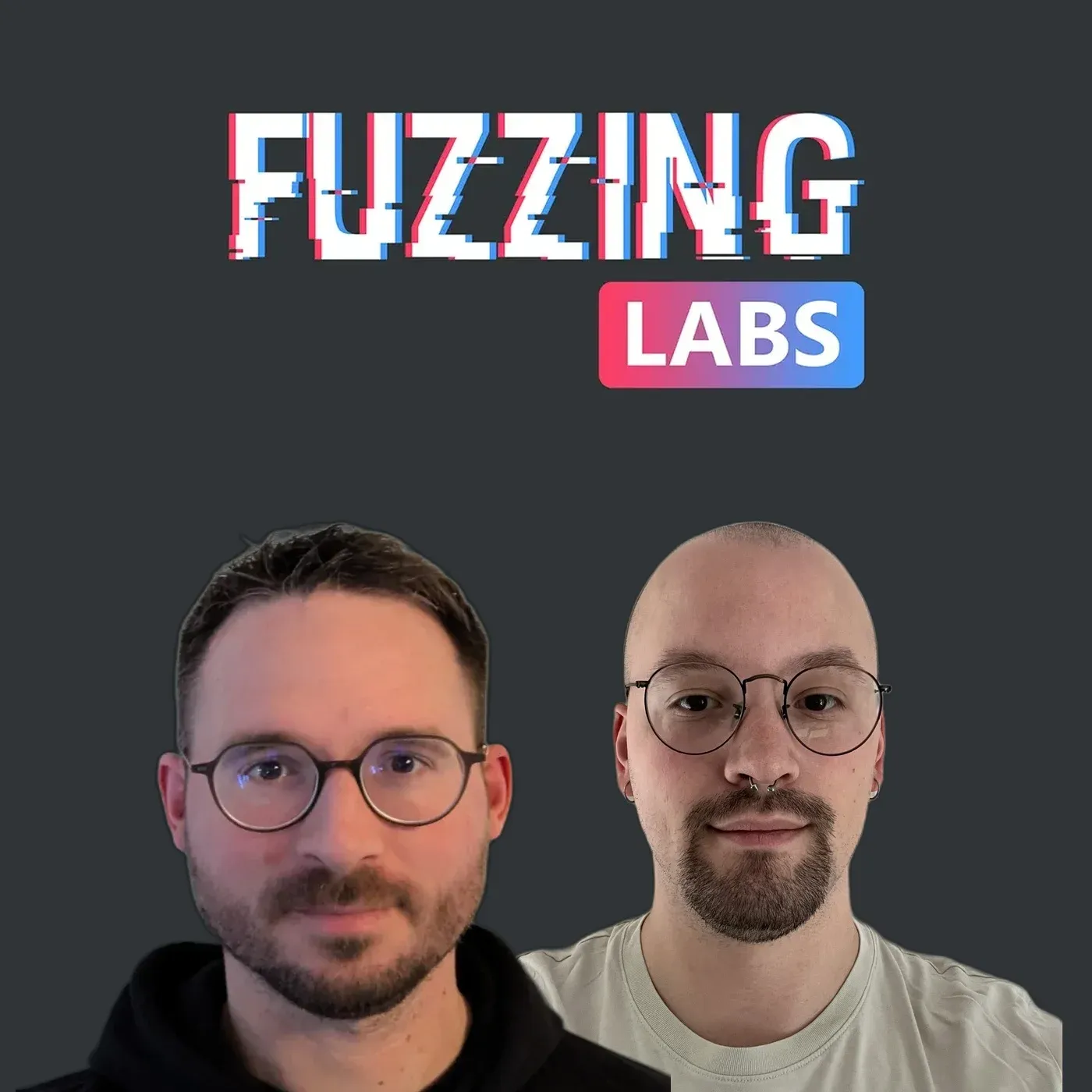
Applied AI/LLM for Mobile App Reversing and Analysis // Guerric Eloi, Atlan Pinabel
Virtual | Oct 26-31 | 32 Hours
BOOK NOWABSTRACT
This hands-on training explores how AI and Large Language Models (LLMs) can augment the reverse engineering and security analysis of Android and iOS applications. Participants will learn to leverage both local and online LLMs to assist with decompiling, annotating, and analyzing APKs/IPAs and native libraries. The training introduces MCPs to enhance static analysis tools like Jadx and Ghidra, and walks through real-world usage of LLMs for code refactoring, Frida script generation, fuzzing harness creation, and automated reporting. The course blends static and dynamic analysis with AI-assisted tooling, culminating in a hands-on project where participants reverse a complex APK using AI throughout the process.
KEY LEARNING OBJECTIVES
- Automate and accelerate Android and iOS reverse engineering and analysis using AI/LLMs.
- Integrate AI into tools like Jadx and Ghidra.
- Use AI to generate Frida scripts, fuzzing harnesses, and annotated decompiled code.
- Identify vulnerabilities and analyze APKs/IPAs more efficiently.
WHO SHOULD ATTEND
- Mobile Reverse Engineers
- Mobile Vulnerability Researchers
- Pentesters focussed on mobile apps
COURSE DETAILS
Part 1 – AI-Augmented Static Analysis
Module 1 | Introduction & Setup
- Training overview
- Installing required tools: IPSW, Jadx, Ghidra, Frida, Python, LLM clients
- Introduction to MCPs
Module 2 | AI Overview for Reverse Engineers
- What LLMs can do for reverse engineering
- Prompt engineering basics
- Online vs local LLM models
- Tools: GPT-5, Claude, DeepSeek, Gemini, ...
Module 3 | Jadx MCP + AI-enhanced Analysis
- Static reverse engineering
- Using AI to annotate decompiled code
- Recovering class names, enums, constants
Module 3 | Ghidra MCP + AI Integration
- Reverse engineering native .so and .dylib files
- Using AI inside Ghidra to annotate disassembly
- Generating and executing Ghidra scripts with LLM support
Module 4 | AI-Powered Decompilation Refactoring
- Refactor and clean decompiled native code
- Use AI for control flow simplification, better naming
Module 5 | Practice Challenge
- Reverse a full APK and IPA playground app
- Summarize functionality, permissions, and logic
- Deliver a short AI-assisted report
Part 2 – Dynamic Analysis + AI-Powered Automation
Module 6 | Frida Script Generation with AI
- Basics of Frida and native code hooking
- Prompting LLMs to generate Frida scripts
- Auto-generate method hooks, native interceptors
Module 7 | AI-Driven Fuzzing Harness Generation
- Explain a target function to LLM
- Generate fuzz harnesses for native code
- Integrate with AFL++, libFuzzer, jackalope, ...
Module 8 | Using Nuclei AI for Mobile Security
- Create AI-generated templates and skills
- Build agentic workflows leveraging skills
- Agents orchestration protocols and best practices
Module 9 | Automated Reporting with LLMs
- Auto-generate vulnerability reports
- Summarize technical data for exec/management
Module 10 | Final Hands-on Project
- Reverse a more complex app (obfuscation + native)
- Use AI for annotation, Frida script, fuzzing, and report
- Deliver final findings
- Q&A, feedback, and resources
Knowledge Prerequisites
- Basic understanding of Android application structure and components (APK, manifest, smali/Java)
- Basic knowledge of reverse engineering concepts (Jadx, Ghidra, Frida is a plus)
- Familiarity with Python scripting
- Some experience with using LLMs (e.g., ChatGPT, Claude) is helpful but not required
- Optional: previous experience with fuzzing or mobile vulnerability analysis
System Requrirements
- Operating System: Linux or macOS
- Internet Access: Required for using online LLMs
- Local AI: a local LLM client or interface
Students will be provided with detailed setup instructions sufficiently prior to the class.
YOUR INSTRUCTORS: Guerric Eloi and Atlan Pinabel
Guerric ELOI is a cybersecurity researcher at FuzzingLabs focused on Android and iOS security. He identifies high-impact vulnerabilities through penetration testing, reverse engineering, and bug bounty programs, working with vendors to prevent major threats. He also delivers practical training on mobile security and builds custom tools to automate vulnerability discovery and strengthen system defenses.
Atlan Pinabel is a security researcher and iOS team leader at FuzzingLabs, where his primary focus is on empowering FuzzForge with iOS knowledge and tooling, while also providing top-notch iOS and reversing trainings.
About FuzzingLabs
Founded in 2021 and headquartered in Paris, FuzzingLabs is a cybersecurity startup specializing in vulnerability research, fuzzing, and blockchain security. We combine cutting-edge research with hands-on expertise to secure some of the most critical components in the blockchain ecosystem
 Ringzer0
Cancellations are not permitted but attendee changes can be accommodated anytime prior to the start of the course.
Note: In the event of a class cancellation, Ringzer0 will endeavor to offer transfer to another training at no additional charge.